

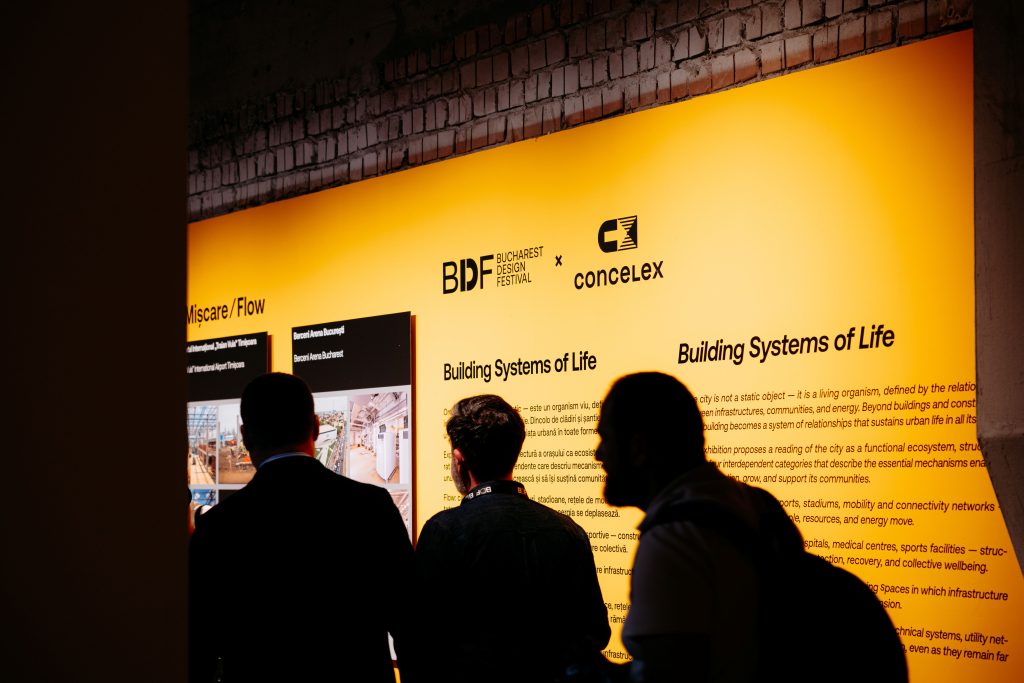
Concelex, a leading Romanian construction company, supports BDF Communities and BDF Professional — part of Bucharest Design Festival 2026 — as main partner. The festival explores the relationship between design, community, and urban space. The partnership reflects a shared belief that urban development depends on both the quality of a city’s physical infrastructure and its cultural, creative, and community dimension that gives these spaces meaning.
BDF Communities consists of a series of curated exhibitions in the Amzei, Grivița, and Brezoianu micro-zones, showcasing the energy of the creative communities shaping Bucharest’s identity. BDF Professional is dedicated to design and architecture practices, bringing together exhibitions, professional dialogues, and projects that highlight the importance of collaboration with professionals in urban development.
As part of the festival circuit, Concelex presents the exhibition “Building Systems of Life” at the BDF Professional Local Design opening in the CINA building, 10 Benjamin Franklin Street, Bucharest. Open from June 4–21, 2026, the exhibition brings together representative company projects under the concept of a living system that sustains urban daily life — and, above all, community.
“We don’t just build buildings. We build communities. A new school means a neighborhood coming to life. A rehabilitated hospital means a community that breathes more easily. A consolidated apartment block means neighbors who stay together instead of leaving. Each of our projects supports, in its own way, the living fabric of the city. That’s why, when we received the proposal to be partners of Bucharest Design Festival, the answer was yes — because we are part of the same family. We build the city’s physical infrastructure. BDF builds its cultural and creative infrastructure. Both are essential — and both, in their own way, build communities.”, said Radu Pițurlea, Chairman and CEO, Concelex.
The Concelex exhibition offers a reading of the city as a functional ecosystem, structured around four interdependent categories describing the essential mechanisms that allow a city to operate, grow, and sustain its communities:
- Flow: roads, airports, stadiums, mobility and connectivity networks — the arteries through which people, resources, and energy flow.
- Care: hospitals, medical centers, sports facilities — buildings that create the conditions for protection, recovery, and collective wellbeing.
- Dwell: residential complexes and living spaces where infrastructure becomes human space, with a social and cultural dimension.
- Energy: the invisible infrastructure. Water treatment plants, technical systems, utility networks — the structures without which the city cannot function, even if they remain out of public view.
Through the diversity of projects presented — from airports and road infrastructure to hospitals, stadiums, residential complexes, and water treatment plants — the exhibition highlights how construction goes beyond the single object and becomes part of a complex urban system, in constant dialogue with the needs of the community.
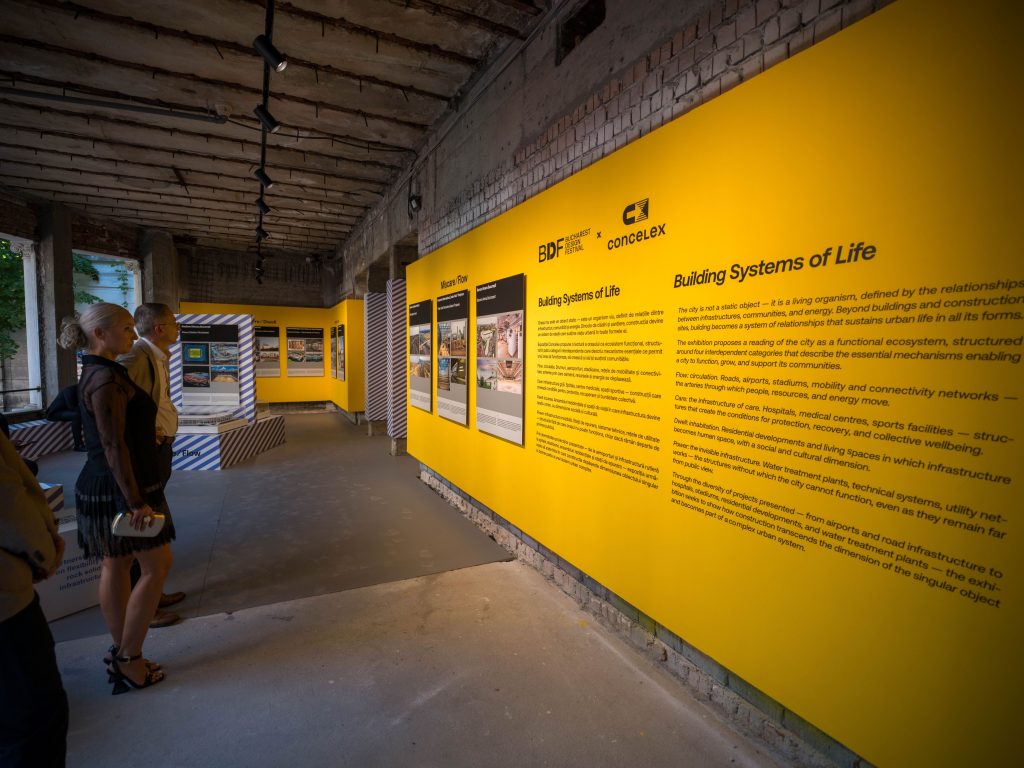
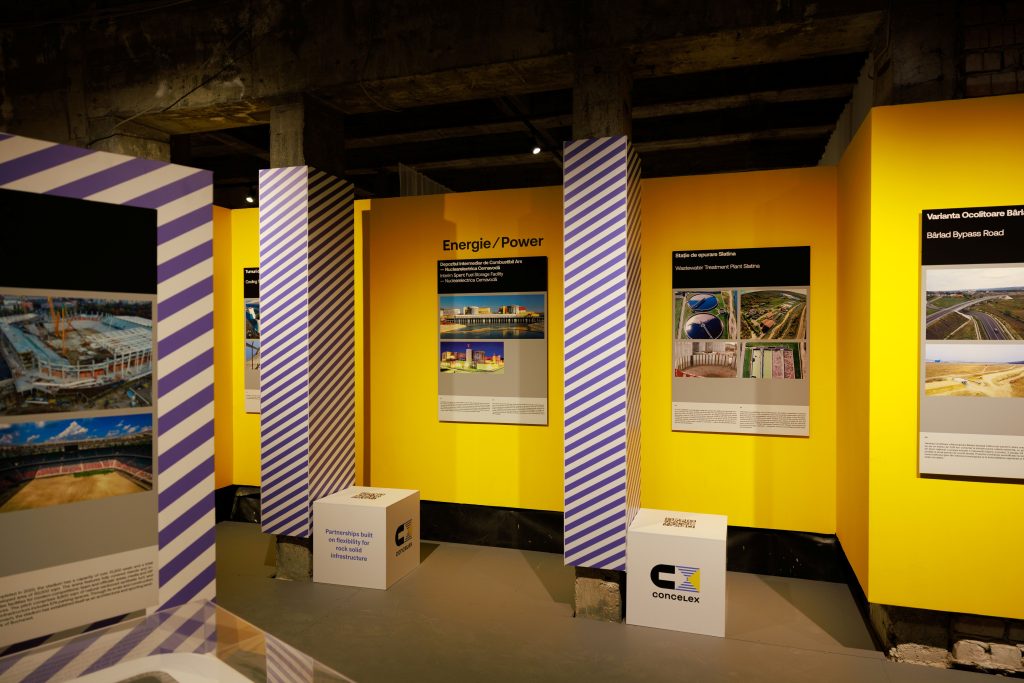
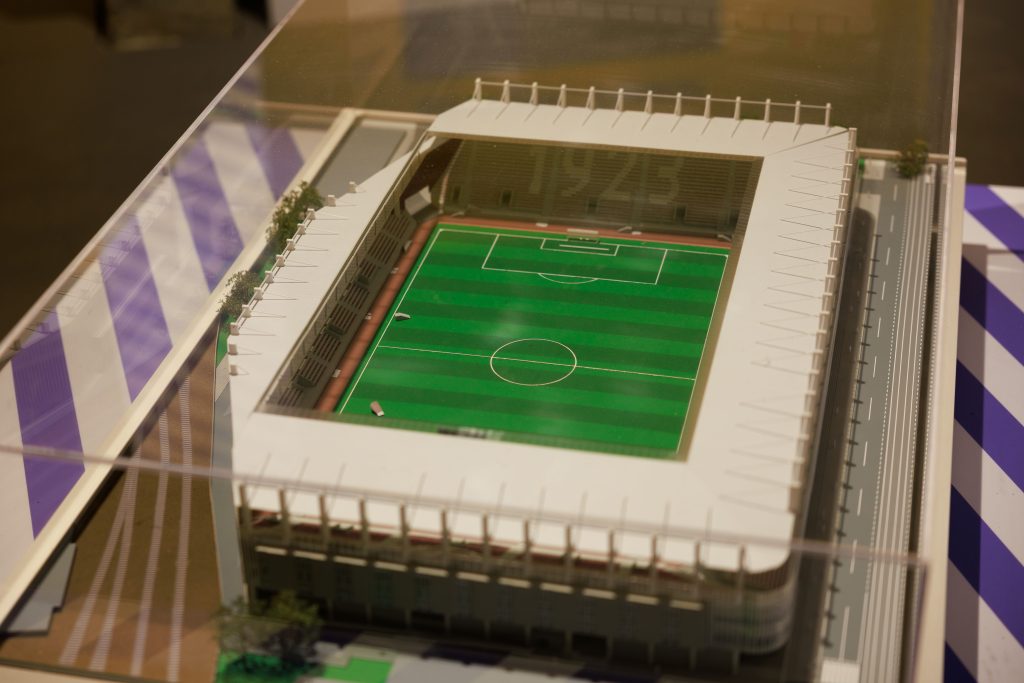
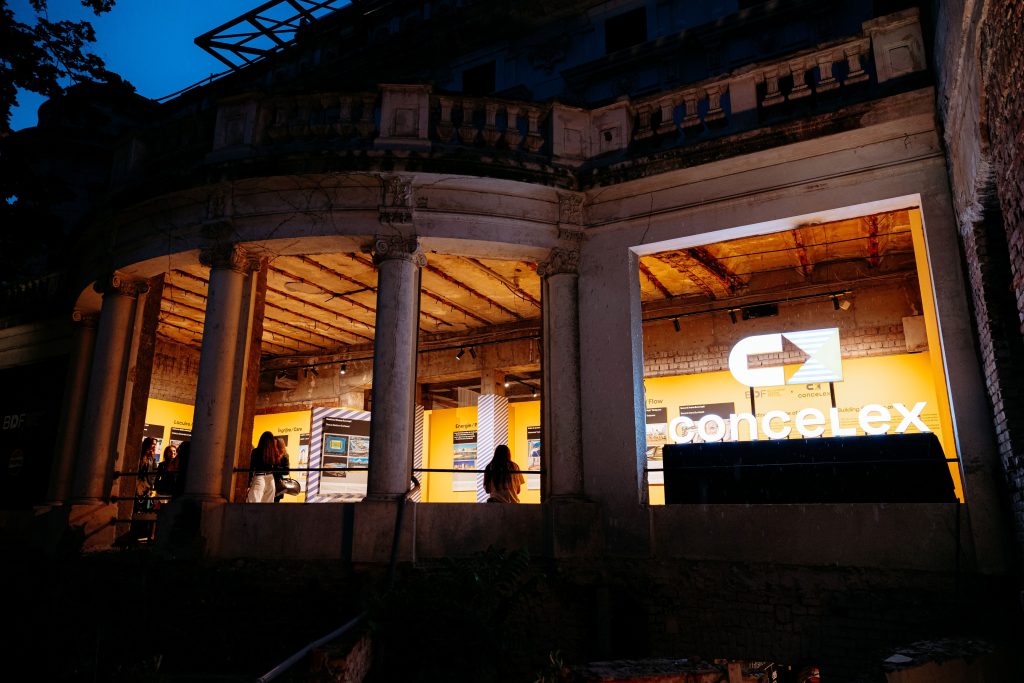
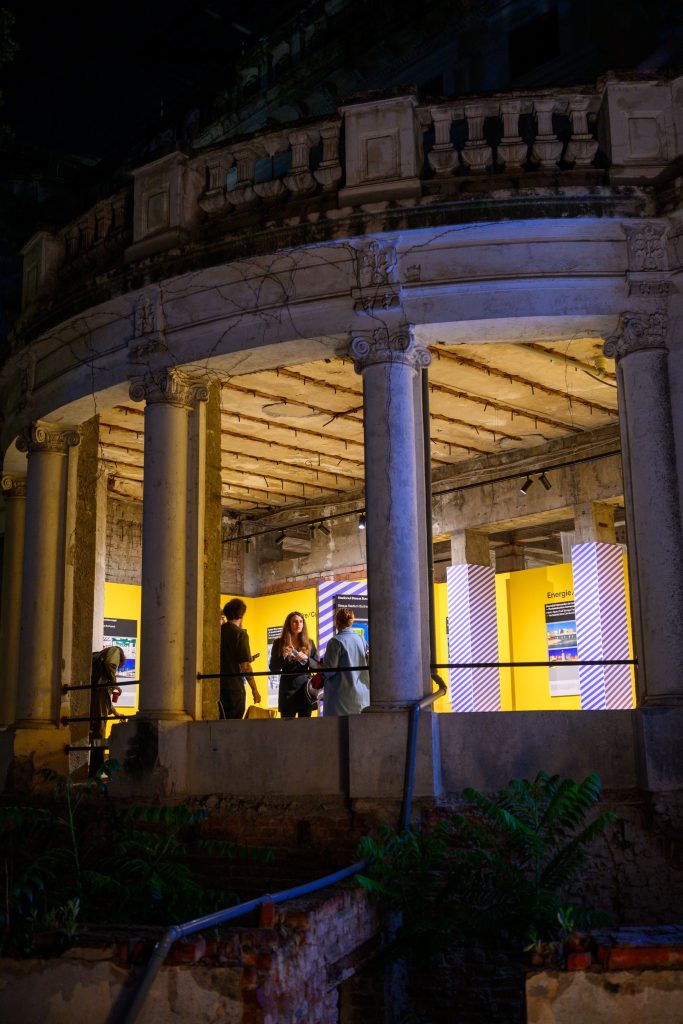
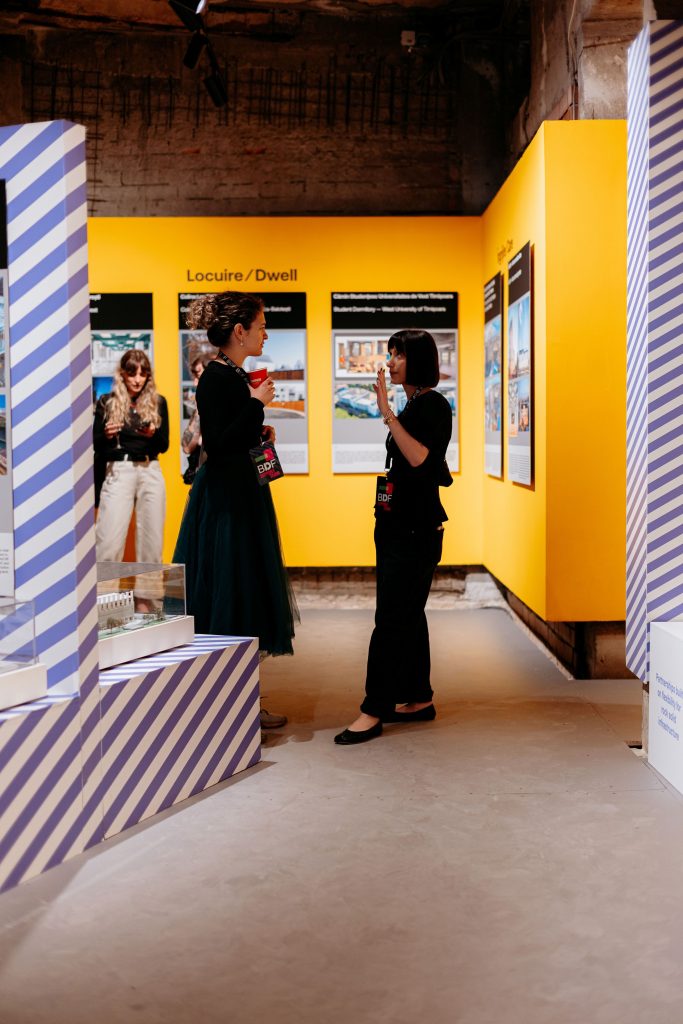
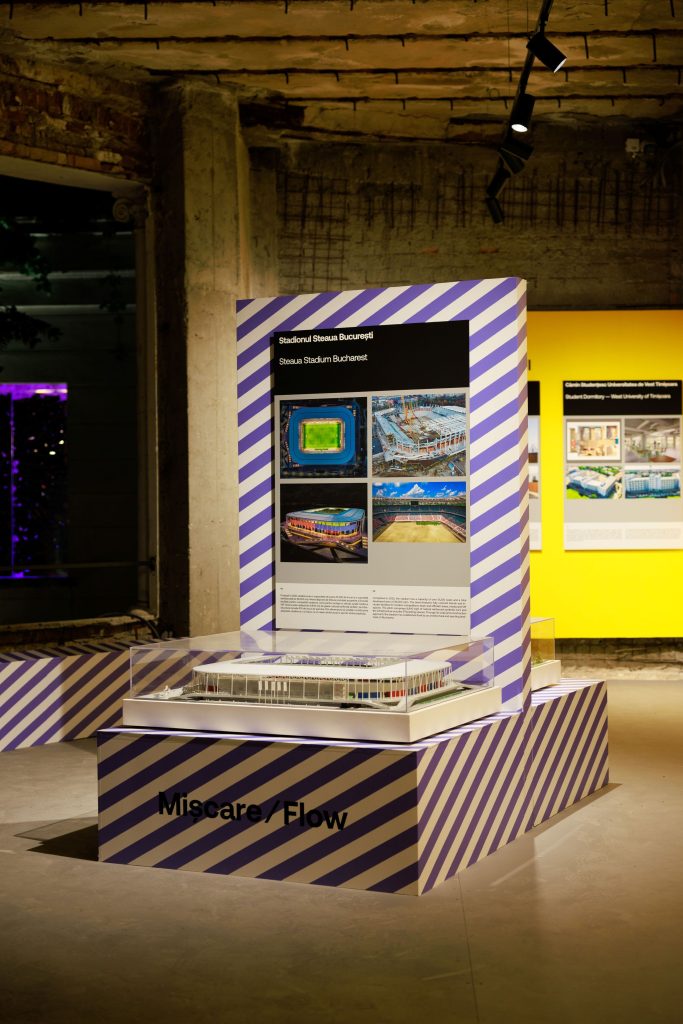
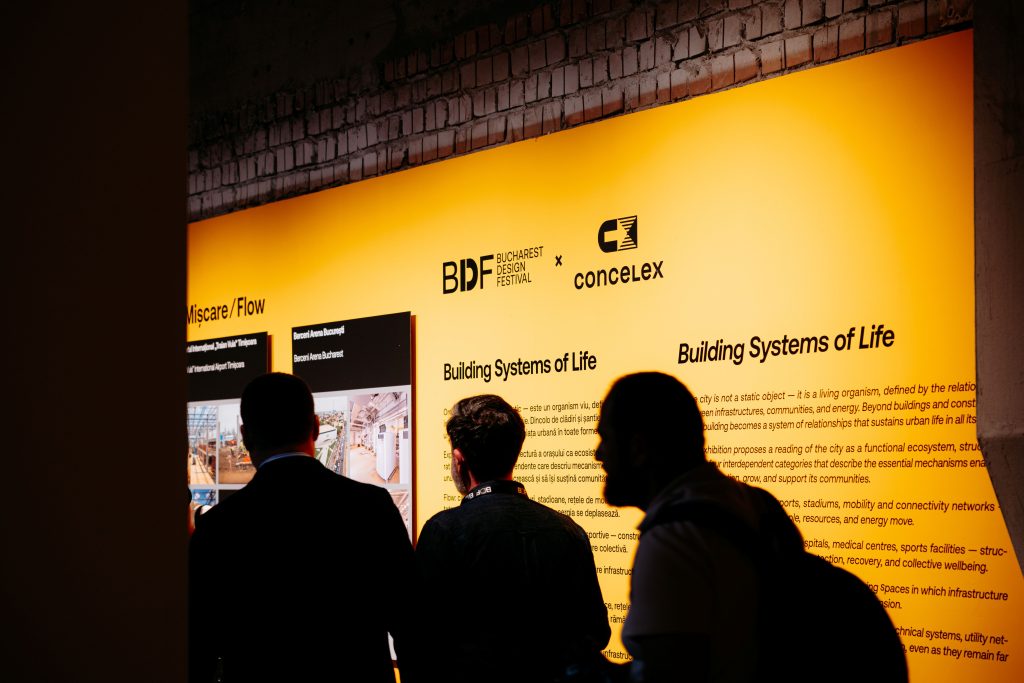
Photo credits: Roald Aron, Mihai Ciobanu.